Egg Industry
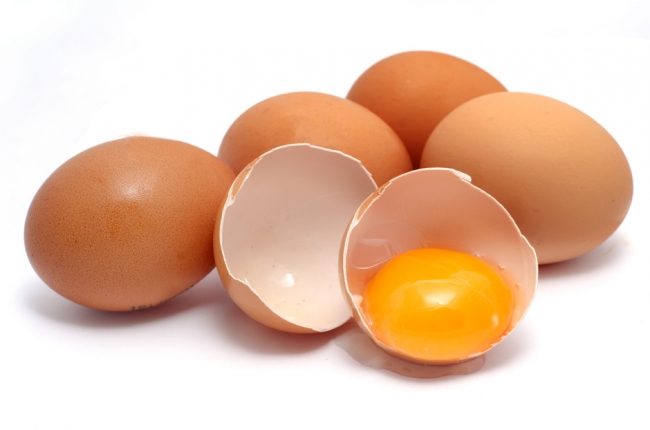
Bangladesh has a growing egg industry. At present (by the end of 2016) the daily chicken egg production is around 22.5 millions. Per capita egg consumption is only 51 which is much lower compared to the FAO prescribed egg intake level- 104.
If we look into the previous years' egg production and consumption statistics, we will find that the daily egg production was 17.5 million in 2014 and 19.5 million in 2015. Therefore we can see that there was 11.42% daily growth in production in 2015 and around 15.38% growth in 2016. The per capita egg consumption was 41 in 2014 and 45 in 2015.
Due to its affordable price and availability, chicken egg has become one of the most desirable animal protein in Bangladesh. However the situation was quite opposite even before 15-20 years. The mass people generally avoided chicken eggs produced in poultry farms. They thought that eggs producing in farms might not be healthy and will have low food value compared to the local eggs (laid by country chickens). But the situation is changing.
The population is going up but the arable lands are decreasing. The natural sources of animal protein like rivers, bills, khals and water bodies are drying-up during dry seasons and disappearing due to urbanization, industrialization and making shelters for the growing population. As a result, the consumers are gradually taking interest to the farm products like poultry eggs and chicken.
The egg consumption however has also been increasing due to raise of per capita income. In 2014-15 fiscal year the per capita income was $1,316, which soared to $1,466 in 2015-16. It is being expected that the country's status as a middle-income nation would be consolidated by 2021 when the per capita income would be around $2,000. It indicates that the per capita egg consumption will also go up sharply by 2021. According to the Bangladesh Poultry Industries Central Council (BPICC), the daily egg production will be around 40.5 million and per capita chicken egg consumption would be around 86 though the government is trying to increase it upto 104 by 2021.
Bangladesh is still lagging behind developing egg processing and further processing industries. However, since the last few years packet eggs are being marketed by the local brands. Neither the Bangladeshi Local Brands nor the foreign companies doing business in Bangladesh, are producing further eggs products. It is also true that the market of further egg products is very small in Bangladesh.
Annual Egg Production (2014-2021)
| Year | Total No. |
| 2014 | 6.39 billion |
| 2015 | 7.12 billion |
| 2016 | 8.21 billion |
| 2021 | 14.79 billion |
Egg Industry
Birds and many species lay eggs but chicken, duck and goose eggs are the most popular choice for human consumption. However, quail eggs are also occasionally used as a gourmet ingredient in western countries and now gaining popularity in Bangladesh. Chicken eggs are being consumed for thousands of years. It is one of the most versatile ingredients used in cooking.

HISTORY
The chicken was probably domesticated for its eggs from jungle fowl native to tropical and subtropical Southeast Asia and India before 7500 BCE. Chickens were brought to Sumer and Egypt by 1500 BCE, and arrived in Greece around 800 BCE. In Thebes, Egypt, the tomb of Haremhab, built about 1420 BCE, shows a depiction of a man carrying bowls of ostrich eggs and other large eggs, presumably those of the pelican, as offerings. In ancient Rome, eggs were preserved using a number of methods, and meals often started with an egg course. The Romans crushed the shells in their plates to prevent evil spirits. In the Middle Ages, eggs were forbidden during Lent because of their richness
Affordable Protein Source For Family
Eggs have played a major role in feeding families around the globe. They are an unbeatable package when it comes to versatility and top-quality protein at a very affordable price. And they are also an excellent source of choline, essential in memory and brain development.
Eggs are one of nature’s highest quality sources of protein, and contain many of the key ingredients for life. The proteins contained within eggs are highly important in the development of the brain and muscles, have a key role to play in disease prevention and contribute to general well being.

Nutritional Value
Chicken eggs, the most commonly eaten eggs, provide 155 calories (kcal) of food energy and 12.6 g of protein in a 100 gram serving (see Chicken egg sizes) (table).
Eggs (boiled) supply several vitamins and minerals as significant amounts of the Daily Value (DV), including vitamin A (19% DV), riboflavin (42% DV), pantothenic acid (28% DV), vitamin B12 (46% DV), choline (60% DV), phosphorus (25% DV), zinc (11% DV) and vitamin D (15% DV) (table per 100 gram serving of a hard-boiled egg).
A yolk contains more than two-thirds of the recommended daily intake of 300 mg of cholesterol (table).
The diet of laying hens can affect the nutritional quality of eggs. For instance, chicken eggs that are especially high in omega-3 fatty acids are produced by feeding hens a diet containing polyunsaturated fats from sources like fish oil, chia seeds or flaxseeds.
- ✓A 2010 USDA study determined there were no significant differences of macronutrients in various chicken eggs.
- ✓Cooked eggs are easier to digest, as well as having a lower risk of salmonellosis.
Health effects
Cholesterol and fat
More than half the calories found in eggs come from the fat in the yolk; 50 grams of chicken egg (the contents of an egg just large enough to be classified as "large" in the US, but "medium" in Europe) contains approximately 5 grams of fat. People on a low-cholesterol diet may need to reduce egg consumption; however, only 27% of the fat in egg is saturated fat (palmitic, stearic, and myristic acids). The egg white consists primarily of water (87%) and protein (13%) and contains no cholesterol and little, if any, fat.
There is debate over whether egg yolk presents a health risk. Some research suggests dietary cholesterol increases the ratio of total to HDL cholesterol and, therefore, adversely affects the body's cholesterol profile; whereas other studies show that moderate consumption of eggs, up to one a day, does not appear to increase heart disease risk in healthy individuals. Harold McGee argues that the cholesterol in the yolk is not what causes a problem, because fat (in particular, saturated) is much more likely to raise cholesterol levels than the actual consumption of cholesterol.
Type 2 diabetes
Studies have shown conflicting results about a possible connection between egg consumption and type two diabetes. A 1999 prospective study of over 117,000 people by the Harvard School of Public Health concluded, in part, that "The apparent increased risk of CHD associated with higher egg consumption among diabetic participants warrants further research." A 2008 study by the Physicians' Health Study I (1982–2007) and the Women's Health Study (1992–2007) determined the "data suggest that high levels of egg consumption (daily) are associated with an increased risk of type 2 diabetes." However, a study published in 2010 found no link between egg consumption and type 2 diabetes. A meta-analysis from 2013 found that eating 4 eggs per week increased the risk of diabetes by 29%. Another meta-analysis from 2013 also supported the idea that egg consumption may lead to an increased incidence of type two diabetes.
Cardiovascular risk
Eggs are one of the largest sources of phosphatidylcholine (lecithin) in the human diet. A study published in the scientific journal Nature showed that dietary phosphatidylcholine is digested by bacteria in the gut and eventually converted into the compound TMAO, a compound linked with increased heart disease.
The 1999 Harvard School of Public Health study of 37,851 men and 80,082 women concluded that its "findings suggest that consumption of up to 1 egg per day is unlikely to have substantial overall impact on the risk of CHD or stroke among healthy men and women." In a study of 4,000 people, scientists found that eating eggs increased blood levels of a metabolite promoting atherosclerosis, TMAO, and that this in turn caused significantly higher risk of heart attack and stroke after three years of follow-up.
A 2007 study of nearly 10,000 adults demonstrated no correlation between moderate (six per week) egg consumption and cardiovascular disease or strokes, except in the subpopulation of diabetic patients who presented an increased risk of coronary artery disease.One potential alternative explanation for the null finding is that background dietary cholesterol may be so high in the usual Western diet that adding somewhat more has little further effect on blood cholesterol. Other research supports the idea that a high egg intake increases cardiovascular risk in diabetic patients. A 2009 prospective cohort study of over 21,000 individuals suggests that "egg consumption up to 6/week has no major effect on the risk of cardiovascular disease and mortality and that consumption of 7+/week is associated with a modest increased risk of total mortality" in males, whereas among males with diabetes, "any egg consumption is associated with an increased risk of all-cause mortality and there was suggestive evidence for an increased risk of myocardial infarction and stroke". A 2013 meta-analysis found no association between egg consumption and heart disease or stroke. A 2013 systematic review and meta-analysis found no association between egg consumption and cardiovascular disease or cardiovascular disease mortality, but did find egg consumption more than once daily increased cardiovascular disease risk 1.69-fold in those with type 2 diabetes mellitus compared to type 2 diabetics who ate less than 1 egg per week. Another 2013 meta-analysis found that eating 4 eggs per week increased the risk of cardiovascular disease by 6%.
Anatomy and characteristics
The shape of an egg resembles a prolate spheroid with one end larger than the other, with cylindrical symmetry along the long axis.
An egg is surrounded by a thin, hard shell. Inside, the egg yolk is suspended in the egg white by one or two spiral bands of tissue called the chalazae (from the Greek word χάλαζα, meaning hailstone or hard lump).
Air cell
The larger end of the egg contains the air cell that forms when the contents of the egg cool down and contract after it is laid. Chicken eggs are graded according to the size of this air cell, measured during candling. A very fresh egg has a small air cell and receives a grade of AA. As the size of the air cell increases and the quality of the egg decreases, the grade moves from AA to A to B. This provides a way of testing the age of an egg: as the air cell increases in size due to air being drawn through pores in the shell as water is lost, the egg becomes less dense and the larger end of the egg will rise to increasingly shallower depths when the egg is placed in a bowl of water. A very old egg will actually float in the water and should not be eaten.
Shell

Egg shell color is caused by pigment deposition during egg formation in the oviduct and can vary according to species and breed, from the more common white or brown to pink or speckled blue-green. In general, chicken breeds with white ear lobes lay white eggs, whereas chickens with red ear lobes lay brown eggs. Although there is no significant link between shell color and nutritional value, there is often a cultural preference for one color over another (see 'Color of eggshell', below).
Membrane
The membrane is a clear film lining the eggshell, visible when one peels a boiled egg. Eggshell membrane is primarily composed of fibrous proteins such as collagen type
White
White is the common name for the clear liquid (also called the albumen or the glair/glaire) contained within an egg. In chickens it is formed from the layers of secretions of the anterior section of the hen's oviduct during the passage of the egg.[18] It forms around either fertilized or unfertilized yolks. The primary natural purpose of egg white is to protect the yolk and provide additional nutrition for the growth of the embryo.
Egg white consists primarily of about 90% water into which is dissolved 10% proteins (including albumins, mucoproteins, and globulins). Unlike the yolk, which is high in lipids (fats), egg white contains almost no fat and the carbohydrate content is less than 1%. Egg white has many uses in food, and many others, including the preparation of vaccines such as those for influenza.
Yolk
The yolk in a newly laid egg is round and firm. As the yolk ages, it absorbs water from the albumen, which increases its size and causes it to stretch and weaken the vitelline membrane (the clear casing enclosing the yolk). The resulting effect is a flattened and enlarged yolk shape.
Yolk color is dependent on the diet of the hen; if the diet contains yellow/orange plant pigments known as xanthophylls, then they are deposited in the yolk, coloring it. Lutein is the most abundant pigment in egg yolk.[19] A colorless diet can produce an almost colorless yolk. Yolk color is, for example, enhanced if the diet includes products such as yellow corn and marigold petals.[20] In the US, the use of artificial color additives is forbidden.[20]
Dried Egg
The dried egg industry developed in the 19th century, before the rise of the frozen egg industry.[9] In 1878, a company in St. Louis, Missouri started to transform egg yolk and white into a light-brown, meal-like substance by using a drying process.[9] The production of dried eggs significantly expanded during World War II, for use by the United States Armed Forces and its allies.
Egg Carton
In 1911, the egg carton was invented by Joseph Coyle in Smithers, British Columbia, to solve a dispute about broken eggs between a farmer in Bulkley Valley and the owner of the Aldermere Hotel. Early egg cartons were made of paper.
Egg in Modern Food Industry
Eggs are a common everyday food in many parts of Asia, such as China and Thailand, with Asian production providing 59% of the world total in 2013.
Chicken eggs consist of (1) a protective eggshell, (2) albumen (egg white), and (3) vitellus (egg yolk), and (4) contained within various thin membranes.
Farming

Most commercially farmed chicken eggs intended for human consumption are unfertilized, since the laying hens are kept without roosters. Fertile eggs can be eaten, with a little nutritional difference to the unfertilized. Fertile eggs will not contain a developed embryo, as refrigeration temperatures inhibit cellular growth for an extended time. Sometimes an embryo is allowed to develop but eaten before hatching as with balut.
Egg-laying chickens – husbandry systems
Commercial hens usually begin laying eggs at 16–20 weeks of age, although production gradually declines soon after from approximately 25 weeks of age.This means that in many countries, by approximately 72 weeks of age, flocks are considered economically unviable and are slaughtered after approximately 12 months of egg production,[5] although chickens will naturally live for 6 or more years. In some countries, hens are force moulted to re-invigorate egg-laying.
Environmental conditions are often automatically controlled in egg-laying systems. For example, the duration of the light phase is initially increased to prompt the beginning of egg-laying at 16–20 weeks of age and then mimics summer day length which stimulates the hens to continue laying eggs all year round; normally, egg production occurs only in the warmer months. Some commercial breeds of hen can produce over 300 eggs a year![citation needed]
Intensive and alternative
According to the researchers and scientists, 74% of the world's poultry meat, and 68 percent of eggs are produced in ways that are described as 'intensive'. One alternative to intensive poultry farming is free-range farming using lower stocking densities. Poultry producers routinely use nationally approved medications, such as antibiotics, in feed or drinking water, to treat disease or to prevent disease outbreaks. Some FDA-approved medications are also approved for improved feed utilization.
Commercial free range hens
Free-range poultry farming allows chickens to roam freely for a period of the day, although they are usually confined in sheds at night to protect them from predators or kept indoors if the weather is particularly bad. In the UK, the Department for Environment, Food and Rural Affairs (Defra) states that a free-range chicken must have day-time access to open-air runs during at least half of its life. Unlike in the United States, this definition also applies to free-range egg laying hens. The European Union regulates marketing standards for egg farming which specifies a minimum condition for free-range eggs that "hens have continuous daytime access to open-air runs, except in the case of temporary restrictions imposed by veterinary authorities". The RSPCA "Welfare standards for laying hens and pullets" indicates that the stocking rate must not exceed 1,000 birds per hectare (10 m2 per hen) of range available and a minimum area of overhead shade/shelter of 8 m2 per 1,000 hens must be provided.
Free-range farming of egg-laying hens is increasing its share of the market. Defra figures indicate that 45% of eggs produced in the UK  throughout 2010 were free-range, 5% were produced in barn systems and 50% from cages. This compares with 41% being free-range in 2009.
Suitable land requires adequate drainage to minimise worms and coccidial oocysts, suitable protection from prevailing winds, good ventilation, access and protection from predators. Excess heat, cold or damp can have a harmful effect on the animals and their productivity.[8] Free-range farmers have less control than farmers using cages in what food their chickens eat, which can lead to unreliable productivity, though supplementary feeding reduces this uncertainty.[citation needed] In some farms, the manure from free-range poultry can be used to benefit crops.
The benefits of free-range poultry farming for laying hens include opportunities for natural behaviours such as pecking, scratching, foraging and exercise outdoors.
Both intensive and free-range farming have animal welfare concerns. Cannibalism, feather pecking and vent pecking can be common, prompting some farmers to use beak trimming as a preventative measure, although reducing stocking rates would eliminate these problems. Diseases can be common and the animals are vulnerable to predators. Barn systems have been found to have the worst bird welfare. In South-East Asia, a lack of disease control in free range farming has been associated with outbreaks of Avian influenza.
Organic
In organic egg-laying systems, chickens are also free-range. Organic systems are based upon restrictions on the routine use of synthetic yolk colourants, in-feed or in-water medications, other food additives and synthetic amino acids, and a lower stocking density and smaller group sizes.[citation needed] The Soil Association standards used to certify organic flocks in the UK, indicate a maximum outdoors stocking density of 1,000 birds per hectare and a maximum of 2,000 hens in each poultry house. In the UK, organic laying hens are not routinely beak-trimmed.
Yarding
While often confused with free-range farming, yarding is actually a separate method of poultry culture by which chickens and cows are raised together. The distinction is that free-range poultry are either totally unfenced, or the fence is so distant that it has little influence on their freedom of movement. Yarding is common technique used by small farms in the Northeastern US. The birds are released daily from hutches or coops. The hens usually lay eggs either on the floor of the coop or in baskets if provided by the farmer. This husbandry technique can be complicated if used with roosters, mostly because of aggressive behavior.
Battery cage
The majority of hens in many countries are reared in battery cages, although the European Union Council Directive 1999/74/EC has banned the conventional battery cage in EU states from January 2012. These are small cages, usually made of metal in modern systems, housing 3 to 8 hens. The walls are made of either solid metal or mesh, and the floor is sloped wire mesh to allow the faeces to drop through and eggs to roll onto an egg-collecting conveyor belt. Water is usually provided by overhead nipple systems, and food in a trough along the front of the cage replenished at regular intervals by a mechanical chain.
The cages are arranged in long rows as multiple tiers, often with cages back-to-back (hence the term 'battery cage'). Within a single shed, there may be several floors containing battery cages meaning that a single shed may contain many tens of thousands of hens. Light intensity is often kept low (e.g. 10 lux) to reduce feather pecking and vent pecking. Benefits of battery cages include easier care for the birds, floor eggs which are expensive to collect are eliminated, eggs are cleaner, capture at the end of lay is expedited, generally less feed is required to produce eggs, broodiness is eliminated, more hens may be housed in a given house floor space, internal parasites are more easily treated, and labor requirements are generally much reduced.
In farms using cages for egg production, there are more birds per unit area; this allows for greater productivity and lower food costs. Floor space ranges upwards from 300 cm2 per hen. EU standards in 2003 called for at least 550 cm2 per hen. In the US, the current recommendation by the United Egg Producers is 67 to 86 in2 (430 to 560 cm2) per bird. The space available to battery hens has often been described as less than the size of a piece of A4 paper. Animal welfare scientists have been critical of battery cages because they do not provide hens with sufficient space to stand, walk, flap their wings, perch, or make a nest, and it is widely considered that hens suffer through boredom and frustration through being unable to perform these behaviours. This can lead to a wide range of abnormal behaviours, some of which are injurious to the hens or their cagemates.
Furnished cage
In 1999, the European Union Council Directive 1999/74/EC banned conventional battery cages for laying hens throughout the European Union from January 1, 2012; they were banned previously in other countries including Switzerland. In response to these bans, development of prototype commercial furnished cage systems began in the 1980s. Furnished cages, sometimes called 'enriched' or 'modified' cages, are cages for egg laying hens which have been designed to overcome some of the welf are concerns of battery cages whilst retaining their economic and husbandry advantages, and also provide some of the welfare advantages of non-cage systems. Many design features of furnished cages have been incorporated because research in animal welfare science has shown them to be of benefit to the hens. In the UK, the Defra "Code for the Welfare of Laying Hens" states furnished cages should provide at least 750 cm2 of cage area per hen, 600 cm2 of which should be usable; the height of the cage other than that above the usable area should be at least 20 cm at every point and no cage should have a total area that is less than 2000 cm2. In addition, furnished cages should provide a nest, litter such that pecking and scratching are possible, appropriate perches allowing at least 15 cm per hen, a claw-shortening device, and a feed trough which may be used without restriction providing 12 cm per hen.
Modern egg laying breeds often suffer from osteoporosis which results in the chicken's skeletal system being weakened. During egg production, large amounts of calcium are transferred from bones to create egg-shell. Although dietary calcium levels are adequate, absorption of dietary calcium is not always sufficient, given the intensity of production, to fully replenish bone calcium. This can lead to increases in bone breakages, particularly when the hens are being removed from cages at the end of laying.
Countries such as Austria, Belgium or Germany are planning to ban furnished cages until 2025 additionally to the already banned conventional cages.
Living Conditions of Birds
Laying hens in battery cages
Commercial factory farming operations often involve raising the hens in small, crowded cages, preventing the chickens from engaging in natural behaviors, such as wing-flapping, dust-bathing, scratching, pecking, perching, and nest-building. Such restrictions can lead to pacing and escape behavior.
Many hens confined to battery cages, and some raised in cage-free conditions, are debeaked to prevent them from harming each other and cannibalism. According to critics of the practice, this can cause hens severe pain to the point where some may refuse to eat and starve to death. Some hens may be force molted to increase egg quality and production level after the molting. Molting can be induced by extended feed withdrawal, water withdrawal or controlled lighting programs.
Laying hens are often slaughtered between 100 and 130 weeks of age, when their egg productivity starts to decline.[80] Due to modern selective breeding, laying hen strains differ from meat production strains. As male birds of the laying strain do not lay eggs and are not suitable for meat production, they are generally killed soon after they hatch.
Free-range eggs are considered by some advocates to be an acceptable substitute to factory-farmed eggs. Free-range laying hens are given outdoor access instead of being contained in crowded cages. Questions on the actual living conditions of free-range hens have been raised in the United States of America, as there is no legal definition or regulations for eggs labeled as free-range in that country.
In the United States, increased public concern for animal welfare has pushed various egg producers to promote eggs under a variety of standards. The most widespread standard in use is determined by United Egg Producers through their voluntary program of certification.The United Egg Producers program includes guidelines regarding housing, food, water, air, living space, beak trimming, molting, handling, and transportation, however, opponents such as The Humane Society have alleged UEP Certification is misleading and allows a significant amount of unchecked animal cruelty. Other standards include "Cage Free", "Natural", "Certified Humane", and "Certified Organic". Of these standards, "Certified Humane", which carries requirements for stocking density and cage-free keeping and so on, and "Certified Organic", which requires hens to have outdoor access and be fed only organic vegetarian feed and so on, are the most stringent.
Effective 1 January 2012, the European Union banned conventional battery cages for egg-laying hens, as outlined in EU Directive 1999/74/EC.[87] The EU permits the use of "enriched" furnished cages that must meet certain space and amenity requirements. Egg producers in many member states have objected to the new quality standards while in some countries even furnished cages and family cages are subject to be banned as well. The production standard of the eggs is visible on the mandatory egg marking where the EU egg code begins with 3 for caged chicken to 1 for free-range eggs and 0 for organic egg production.
(https://en.wikipedia.org/wiki/Egg_as_food)
Culinary Art of Eggs
Types of dishes
A fried chicken egg, "sunny side up"
Chicken eggs are widely used in many types of dishes, both sweet and savory, including many baked goods. Some of the most common preparation methods include scrambled, fried, hard-boiled, soft-boiled, omelettes and pickled. They can also be eaten raw, though this is not recommended for people who may be especially susceptible to salmonellosis, such as the elderly, the infirm, or pregnant women. In addition, the protein in raw eggs is only 51% bioavailable, whereas that of a cooked egg is nearer 91% bio-available, meaning the protein of cooked eggs is nearly twice as absorbable as the protein from raw eggs.[21]
As an ingredient, egg yolks are an important emulsifier in the kitchen, and are also used as a thickener in custards.
Soft-boiled quail eggs, with potato galettes
The albumen, or egg white, contains protein, but little or no fat, and can be used in cooking separately from the yolk. The proteins in egg white allow it to form foams and aerated dishes. Egg whites may be aerated or whipped to a light, fluffy consistency, and are often used in desserts such as meringues and mousse.
Ground egg shells are sometimes used as a food additive to deliver calcium.[22] Every part of an egg is edible,[citation needed] although the eggshell is generally discarded. Some recipes call for immature or unlaid eggs, which are harvested after the hen is slaughtered or cooked while still inside the chicken.[23]
Cooking
A few tips for baking with eggs and cakes.
Half boiled egg dish
Eggs contain multiple proteins which gel at different temperatures within the yolk and the white, and the temperature determines the gelling time. Egg yolk gelifies, or solidifies, between 65 and 70 °C (149 and 158 °F). Egg white gels at different temperatures 60 to 73 °C (140 to 163 °F)- the white contains ovalbumin that sets at the highest temperature.[24] However, in practice, in many cooking processes the white gels first because it is exposed to higher temperatures for longer.[25][26]
Salmonella is killed instantly at 71 °C (160 °F), but is also killed from 54.5 °C (130.1 °F) if held there for sufficiently long time periods.[25] To avoid the issue of salmonella, eggs can be pasteurized in-shell at 57 °C (135 °F) for an hour and 15 minutes. Although the white is slightly milkier, the eggs can be used in normal ways. Whipping for meringue takes significantly longer, but the final volume is virtually the same.[27]
If a boiled egg is overcooked, a greenish ring sometimes appears around egg yolk due to the iron and sulfur compounds in the egg. It can also occur with an abundance of iron in the cooking water.[citation needed] The green ring does not affect the egg's taste; overcooking, however, harms the quality of the protein.[citation needed] Chilling the egg for a few minutes in cold water until it is completely cooled may prevent the greenish ring from forming on the surface of the yolk.
Peeling a cooked egg is easiest when the egg was put into boiling water as opposed to slowly heating the egg in cold water.[28]
Flavor variations
A batch of tea eggs with shell intact soaking in a brew of spices and tea
Although the age of the egg and the conditions of its storage have a greater influence, the bird's diet does affect the flavor of the egg.[8] For example, when a brown-egg chicken breed eats rapeseed or soy meals, its intestinal microbes metabolize them into fishy-smelling triethylamine, which ends up in the egg.[8] The unpredictable diet of free-range hens will produce unpredictable eggs.[8] Duck eggs tend to have a flavor distinct from, but still resembling chicken eggs.
Eggs can also be soaked in mixtures to absorb flavor. Tea eggs are steeped in a brew from a mixture of various spices, soy sauce, and black tea leaves to give flavor.
Storage
Careful storage of edible eggs is extremely important, as an improperly handled egg can contain elevated levels of Salmonella bacteria that can cause severe food poisoning. In the US, eggs are washed, and this cleans the shell, but erodes the cuticle.[29] The USDA thus recommends refrigerating eggs to prevent the growth of Salmonella.[20]
Refrigeration also preserves the taste and texture. However, intact eggs can be left unrefrigerated for several months without spoiling.[30] In Europe, eggs are not usually washed, and the shells are dirtier, however the cuticle is undamaged, and they do not require refrigeration.[29] In the UK in particular, hens are immunized against salmonella, and the eggs are generally safe for 21 days.[29]
- ✓The word mayonnaise possibly was derived from moyeu, the medieval French word for the yolk, meaning center or hub.
- ✓Egg scrambled with acidic fruit juices were popular in France in the 17th century; this may have been the origin of lemon curd.
Preservation
Salted duck egg

The simplest method to preserve an egg is to treat it with salt. Salt draws water out of bacteria and molds, which prevents their growth.[31] The Chinese salted duck egg is made by immersing duck eggs in brine, or coating them individually with a paste of salt and mud or clay. The eggs stop absorbing salt after about a month, having reached osmotic equilibrium.[31] Their yolks take on an orange-red color and solidify, but the white remains somewhat liquid. They are often boiled before consumption, and are often served with rice congee.
Pickled egg, colored with beetroot juice
Another method is to make pickled eggs, by boiling them first and immersing them in a mixture of vinegar, salt and spices, such as ginger or allspice. Frequently, beetroot juice is added to impart a red color to the eggs.[32] If the eggs are immersed in it for a few hours, the distinct red, white, and yellow colors can be seen when the eggs are sliced.[32] If marinated for several days or more, the red color will reach the yolk.[32] If the eggs are marinated in the mixture for several weeks or more, the vinegar will dissolve much of the shell's calcium carbonate and penetrate the egg, making it acidic enough to inhibit the growth of bacteria and molds.[31] Pickled eggs made this way will generally keep for a year or more without refrigeration.[31]
Century egg
A century egg or hundred-year-old egg is preserved by coating an egg in a mixture of clay, wood ash, salt, lime, and rice straw for several weeks to several months, depending on the method of processing. After the process is completed, the yolk becomes a dark green, cream-like substance with a strong odor of sulfur and ammonia, while the white becomes a dark brown, transparent jelly with a comparatively mild, distinct flavor. The transforming agent in a century egg is its alkaline material, which gradually raises the pH of the egg from around 9 to 12 or more.[33] This chemical process breaks down some of the complex, flavorless proteins and fats of the yolk into simpler, flavorful ones, which in some way may be thought of as an "inorganic" version of fermentation.
Cooking substitutes
For those who do not consume eggs, alternatives used in baking include other rising agents or binding materials, such as ground flax seeds or potato starch flour. Tofu can also act as a partial binding agent, since it is high in lecithin due to its soy content. Applesauce can be used, as well as arrowroot and banana. Extracted soybean lecithin, in turn, is often used in packaged foods as an inexpensive substitute for egg-derived lecithin. Chickpea brine, also known as aquafaba, can replace egg whites in desserts like meringues and mousses.
Other egg substitutes are made from just the white of the egg for those who worry about the high cholesterol and fat content in eggs. These products usually have added vitamins and minerals, as well as vegetable-based emulsifiers and thickeners such as xanthan gum or guar gum. These allow the product to maintain the nutrition and several culinary properties of real eggs, making possible foods such as Hollandaise sauce, custard, mayonnaise, and most baked goods with these substitutes.
Grading by quality and size
The US Department of Agriculture grades eggs by the interior quality of the egg (see Haugh unit) and the appearance and condition of the egg shell. Eggs of any quality grade may differ in weight (size).

U.S. Grade AA
Eggs have whites that are thick and firm; yolks that are high, round, and practically free from defects; and clean, unbroken shells.
Grade AA and Grade A eggs are best for frying and poaching, where appearance is important.
U.S. Grade A
Eggs have characteristics of Grade AA eggs except the whites are "reasonably" firm.
This is the quality most often sold in stores.
U.S. Grade B
Eggs have whites that may be thinner and yolks that may be wider and flatter than eggs of higher grades. The shells must be unbroken but may show slight stains.
This quality is seldom found in retail stores because they are usually used to make liquid, frozen, and dried egg products, as well as other egg-containing products.
In Australia and the European Union, eggs are graded by the hen farming method, free range, battery caged, etc.
Chicken eggs are also graded by size for the purpose of sales. Some maxi eggs can have double-yolk and some farms separate out double-yolk eggs for special sale.
Washing and refrigeration
In North America, the legislation requires eggs to be washed and refrigerated before being sold to consumers. This is to remove natural farm contaminants present in the cleanest farms and to prevent the growth of bacteria. In Europe legislation requires the opposite. Washing removes the natural protective cuticle on the egg and refrigeration causes condensation which may promote bacteria growth
Color of eggshell
White, speckled (red), and brown chicken eggs
Although egg color is a largely cosmetic issue, with no effect on egg quality or taste, it is a major issue in production due to regional and national preferences for specific colors, and the results of such preferences on demand. For example, in most regions of the United States, chicken eggs are generally white. In some parts of the northeast of that country, particularly New England, where a television jingle for years proclaimed "brown eggs are local eggs, and local eggs are fresh!", brown eggs are more common. Local chicken breeds, including the Rhode Island Red, lay brown eggs. Brown eggs are also preferred in Costa Rica, Ireland, France, and the United Kingdom. In Brazil and Poland, white chicken eggs are generally regarded as industrial, and brown or reddish ones are preferred. Small farms and smallholdings, particularly in economically advanced nations, may sell eggs of widely varying colors and sizes, with combinations of white, brown, speckled (red), green, and blue (as laid by certain breeds, including araucanas, heritage skyline and cream leg bar) eggs in the same box or carton, while the supermarkets at the same time sell mostly eggs from the larger producers, of the color preferred in that nation or region.
Very dark brown eggs of Marans, a French breed of chicken
These cultural trends have been observed for many years. The New York Times reported during the Second World War that housewives in Boston preferred brown eggs and those in New York preferred white eggs. In February 1976, the New Scientist magazine, in discussing issues of chicken egg color, stated "Housewives are particularly fussy about the colour of their eggs, preferring even to pay more for brown eggs although white eggs are just as good". As a result of these trends, brown eggs are usually more expensive to purchase in regions where white eggs are considered 'normal', due to lower production. In France and the United Kingdom, it is very difficult to buy white eggs, with most supermarkets supplying only the more popular brown eggs. By direct contrast, in Egypt it is very hard to source brown eggs, as demand is almost entirely for white ones, with the country's largest supplier describing white eggs as "table eggs" and packaging brown eggs for export.
Research conducted by a France institute in the 1970s demonstrated blue chicken eggs from the Chilean araucana fowl can be stronger and more resilient to breakage.
Research at Nihon University, Japan in 1990 revealed a number of different issues were important to Japanese housewives when deciding which eggs to buy; however, color was a distinct factor, with most Japanese housewives preferring the white color.
Egg producers carefully consider cultural issues, as well as commercial ones, when selecting the breed or breeds of chicken used for production, as egg color varies between breeds.[76] Among producers and breeders, brown eggs are often referred to as "tinted", while the speckled eggs preferred by some consumers are often referred to as being "red" in color.
Global population growth fueling Egg and poultry trade
A market analyst shared his outlook on the world’s meat and grain trade and the trends that will shape years to come.
The world’s ever increasing population will be a positive force for the global meat market, according to a market analyst.
On April 20, Brett Stuart, a founding partner at Colorado-based Global AgriTrends, shared information on the state of the global economy during a presentation at the Egg Industry Center’s Egg Forum in Chicago. Stuart defined how current trends will shape the near future for meat and agrarian commodities.
The biggest trend shaping the future of the global economy, Stuart said, is the skyrocketing growth of the global middle class. By 2030, the size of the demographic is projected to rise to 4.9 billion from its current 2 billion. As most the world’s population growth is taking place in East Asia, a relatively small area of the world, that region will play an outsized role in global food demand in the future.
The outlook for poultry, meat and eggs
The performance of the world economy is significant to the meat industry because, Stuart said, income is correlated with meat consumption. Poultry, in particular, is consumed more often when incomes are higher. If the global economy is weak, there will be weakness in global demand for chicken.
One of the biggest trends in the world economy is the continued devaluation of crude oil. Stuart said the deflation is causing demand for chicken, particularly imported from the U.S., to drop in nations heavily dependent on oil exports. Weaker economies are creating weaker demand for U.S. leg quarters, which is leading to a glut of cheap dark meat in the U.S. This is coupled with concerns over highly pathogenic avian influenza and the strong dollar lead U.S. poultry exports to fall by about 600,000 metric tons between 2014 and 2015.
Globally the supply of poultry continues to rise versus the supply of pork and beef. Since 2000, the global per capita supply of poultry has increased by almost 50 pounds per person, while pork has grown by almost 20 pounds and beef has slipped by less than 5 pounds. Around the world, broiler production has increased since 2000, as well, with U.S. production now more than 18 million metric tons and Brazil and China not far behind at slightly less than 14 million metric tons.
Across the board, meat prices are lower than usual. Since 2000, global meat prices have increased steadily, but in 2014 beef, poultry and pork prices fell sharply. Pork prices are now at a 12 year low, poultry at a 7 year low and beef at a 2.5 percent low.
Egg exports are growing as well, Stuart said. The cumulative export market was worth $2.8 billion in 2015 with the U.S., with more than $600 million of egg exports, and the EU, with more than $900 million, leading the way globally.
In the global trade of poultry and eggs, highly pathogenic avian influenza continues to be the biggest factor. The disease is now global, with only South America apparently, not dealing with any active or resolved outbreaks. China, Russia and South Korea have banned all U.S. poultry imports while other countries maintain bans of imports from certain U.S. states. While U.S. outbreaks are all resolved and the U.S. government’s agencies showed effectiveness handling the disease during its most recent appearance in the state of Indiana, the disease remains a wildcard for U.S. exports and for the global market.
Globally, the poultry sector remains profitable due to abundant feed supplies and sufficient demand. The United Nations forecasts global poultry demand will only grow further and eventually outpace all other proteins. Profitability, however, leads all players in the market to expand their operations which could lead to an oversupply of poultry meat and harm profitability across the board, Stuart said.
China, Russia and Brazil
Three of the so-called BRICS nations’ agricultural trends are worth watching in 2016 and beyond, Stuart said.
Another major factor in the world meat picture is the Chinese appetite for pork. Stuart called it one of the most significant agricultural events in the history of the world. Half of the world’s pigs are raised in China, Stuart said, and prices in China are at record highs. The price of a pig is now more than double the price of a pig in the U.S. Retail pork prices are up 30 percent from last year, he said, and it’s infecting the nation’s food inflation index. While half of the world’s pigs are raised in China, they are the world’s largest pork importer with 2 million metric tons of pork landing in the country annually.
China is also attracting the world’s attention with a recent change in its grain policies. The nation has horded corn for years and now has 250 million metric tons stored, Stuart said, and its government is now realizing there is a massive oversupply of the cereal. Two months ago, the government announced it would cut the floor price for corn. The price fell to US$6.80 from $8 or $9 a bushel in short order, and will continue to fall. Because Chinese pork farmers are earning record profits and feed prices are falling rapidly. Stuart predicted this could lead to unprecedented growth of Chinese pork production and the nation could become a corn exporter as well.
Russia, faced with sanctions from the U.S. and other western nations due to its military actions in Eastern Europe, is in the midst of an agricultural experiment. The nation banned food imports from countries imposing sanctions on Russia and the government is attempting to make Russia self-sufficient in meat and poultry. Europe, Stuart said, is now swimming in pork and dairy products once consumed by Russia and Russian consumers are paying far more for food than they did previously. Producers in Russia are making far more and they are investing in increased production capacity. Stuart said this is concerning on a political level, too.
“Five years ago I would not have guessed that Russia could get food self-sufficient. They can because their prices are insulated and very high,” Stuart said. “I think (President Vladimir Putin) is saying, ‘I am now sanction-proof and I can redraw map boundaries in Eastern Europe.’”
Brazil, a huge agrarian nation locked in political turmoil and economic recession, is a major concern, Stuart said. While the South American country remains a major exporter of meat and grains, the nation’s economy shrank by 3.8 percent in 2015. Inflation, unemployment and interest rates are rising and austerity measures might be the only solution. The Brazilian Real is also plummeting in value compared with the U.S. dollar which is leading Brazilian companies to seek more customers abroad because they cannot find enough at home.
“Ag exports will continue from Brazil, but the domestic sector is in very tough shape,” Stuart said.
(http://www.wattagnet.com/articles/26794-global-population-growth-fueling-meat-and-poultry-trade)
Top Egg Producing Countries In The World
Eggs, such as this one served over Japanese soba noodles, have been a culinary favorite around the world since times immemorial.
World commercial egg production is setting record-breaking trends, and ten countries top the list for producing this breakfast time and anytime essential. In 2011, among the top 10 egg-producing countries, five countries supplied about 55% of the world's egg needs to the tune of a total of about 64 million metric tons. The current trends in egg production point to developing countries being the biggest suppliers for years to come. The United Nations' Food and Agriculture Organization (FAO) has stated that, by 2015, egg production will have reached 70.4 million metric tons. The figures below are based on the total weight, of in-shell, chicken hens' egg before processing.
1. China (24.8 billion kilograms in shell)
China ranks highest in egg production at 5.6 billion kilograms of unprocessed, in-shell hen's eggs produced annually. According to the FAO, China's egg production, at a 2% compounded yearly growth rate, could reach a growth of about 34.2 million metric tons of eggs per year by 2020. The top egg-producing provinces in China are Henan, Shandong, Hebei, Liaoning, and Jiangsu.
2. USA (5.6 billion kilograms in shell)
The United States comes in second in egg production, at about 5.6 billion kilograms of unprocessed, in-shell hen's eggs produced annually. The five biggest egg producing states in the US are Indiana, Pennsylvania, Ohio, Iowa, and California. Meanwhile, when it comes to poultry production, the US comes out on the top of the list.
3. India (3.8 billion kilograms in shell)
India is third in egg production, at about 3.8 billion kilograms of unprocessed, in-shell hen's eggs produced annually. Its estimated compounded yearly growth rate is at over 8%. Factors that influence this growth are the low cost of production and the rise in domestic consumption. The leading egg-producing states in India are Andhra Pradesh, Tamil Nadu, Maharashtra, Haryana, and Punjab.
4. Japan (2.522 billion kilograms in shell)
Japan is fourth in egg production, with a total of about 2.522 billion kilograms of unprocessed, in-shell hen's eggs produced annually. And this does not include the Japanese yuzut eggs, which are said to taste like citrus fruits, or the white yolk eggs that come from rice-fed chickens. Japan is also the leading egg products producer in Asia in exports of liquid and dried eggs. It also produces the safest eggs for raw consumption.
5. Mexico (2.516 billion kilograms in shell)
Mexico is fifth in world egg production, at about 2.516 billion kilograms of unprocessed, in-shell hen's eggs produced annually. Its egg industry has suffered as a result of the H7N3 Avian Influenza, but is recovering fast to remain a world class egg-producer in Latin America. The top areas in Mexico for egg production are Veracruz, Torreon, Campeche, Guanajuato, and Yucatan.
6. Brazil (2.2 billion kilograms in shell)
Brazil makes it to the fifth spot in global egg production, with about 2.2 billion kilograms of unprocessed, in-shell hen's eggs produced annually. Top states in Brazil in egg production are Sao Paulo, Espirito Santo, Rio Grande do Sul, Goias, and Santa Catarina. Decreased egg exports to Africa have affected its egg production and market, although domestic egg consumption in the country has increased.
7. Indonesia (1.22 billion kilograms in shell)
Indonesia is sixth on the world's list of egg producers, at 1.22 billion kilograms of unprocessed, in-shell hen's eggs produced annually. Egg production in the country has reached 30 metric tons a day. Although much of these eggs are sold locally, Indonesia's target is to increase its egg production to 35 to 50 metric tons a day. Designer eggs, such as "tea eggs" and healthier eggs with lower cholesterol, are popular in the country.
8. Turkey (1.03 billion kilograms in shell)
Turkey comes in seventh in egg production, at 1.03 billion kilograms of unprocessed, in-shell hen's eggs produced annually. Its egg production facilities and egg quality pass the European Union poultry industry standards. Its egg producers belong to the International Egg Commission as well. Its future egg export markets will include the Middle East on one side and EU member countries on the other.
9. France (0.94 billion kilograms in shell)
France is at eighth place in egg production, at about 0.94 billion kilograms of unprocessed, in-shell hen's eggs produced annually. Nonetheless, there remains an egg problem with the EU Commission, as French farmers blame the commission for lack of regulation against falling egg prices. This debacle has also affected neighboring Belgium's egg production. One cause was said to be the effects of an EU directive for more humane treatment of laying chickens.
10. Germany (0.89 billion kilograms in shell)
Germany is in the tenth spot in worldwide egg production, with about 0.89 billion kilograms of unprocessed, in-shell hen's eggs produced annually. Germany has been the leading proponent in the EU for egg labelling that meets the standards of the EU Commission. Another German first was the inoculation of young hens against salmonella for disease-free eggs. Hygiene coding for eggs was also a German first, and one that assures the buyer of purchasing a safe product.
(http://www.worldatlas.com/articles/top-egg-producing-countries-in-the-world.html)
Egg Processing

As with fresh eggs, Dutch producers give foreign markets more out-of-shell egg products than those from any other nation.
While not as appetizing as fresh eggs prior to preparation, freeze dried eggs can safely last for years on the shelf.
Eggs are laid by female animals of many different kinds of species and have been eaten by humans for millennia. The most popular and well known choice for consuming eggs around the world are chicken eggs, which have the eggshell, egg white and egg yolk that most people think of went they imagine eggs. Other popular eggs that are consumed are from other birds or even fish, such as quail's eggs or caviar, respectively. For processed egg products, however, we will be focused on eggs from poultry, and specifically chickens' eggs. These processed egg products may involve the egg yolks and/or whites, as well as the shells themselves.
Egg Processing & Further Processing
Egg Processing Systems
In-Line Processing
- ✓Egg processing occurs at the same location as the egg production facility.
- ✓This processing method is the most efficient egg collection and processing of eggs available. Eggs are delivered from the egg production facility to the egg processing facility by an enclosed and refrigerated conveyor system.
- ✓Egg handling and processing is performed with automated equipment.
Off-Line Processing
- ✓Egg processing occurs separate from the egg production facility.
- ✓This processing method utilizes satellite farms.
- ✓Satellite farms are egg production facilities that are located at a different location from the egg processing facility.
- ✓Eggs produced at satellite farms must be gathered and delivered to the egg processing facility.
- ✓Egg handling and gathering is performed with automated equipment.
Care of eggs on the farm
- ✓Regardless of on-line or off-line processing, steps are taken to maintain egg quality on the farm.
- ✓These include, but are not limited to, egg collection occurring several times daily, careful egg handling procedures, egg cooling, egg cleaning, and use of clean packaging materials.
Processing Functions
Cleaning the Eggs
- ✓All eggs in the United States are washed in warm water with a mild detergent in order to remove any contaminants (manure, grease, blood, yolk, etc.) before they are sold for human consumption.
- ✓Eggs are dried to remove an excess moisture prior to packaging.
- ✓Removal of contaminants prevents egg spoilage by bacteria.
- ✓Eggs that are not cleaned or contain defects are removed from the processing line and are not packaged for human consumption.
Grading
- ✓Grading refers to the process of grouping eggs according to similar characteristics, such as quality and weight.

- ✓Egg grading is performed by trained professionals from the United States Department of Agriculture (U.S.D.A.).
- ✓The USDA has a stringent set of requirements for the grading of fresh shell eggs.
- ✓Egg grading is dependent upon examination of internal quality factors (e.g., condition of the egg white and yolk, air cell size).
- ✓Internal quality factors can also be determined by candling.
- ✓Candling involves holding the egg to a concentrated light source for visual inspection of internal defects, such as blood spots or double yolks.
- ✓Egg grading is also dependent upon external quality factors (e.g., shape, texture, cleanliness, and soundness of the shell).
- ✓An egg with a AA grade contains the most desirable characteristics while an egg with a B grade contains the least desirable characteristics.
- ✓External quality can be determined by candling for illumination and detection of egg shell cracks.
Size Determination
Sizes are determined by weight. There are six different weight categories: peewee, small, medium, large, extra large, and jumbo. Each size category receives a different price on the farm as well as at the retail level.
Minimum Average Weight for one dozen eggs
o Peewee: 15 ounces
o Small: 18 ounces
o Medium: 21 ounces
o Large: 24 ounces
o Extra Large: 27 ounces
o Jumbo: 30 ounces
Packaging
- ✓Eggs are packaged into a variety of containers designed for safe shipment and enhanced product appearance for the consumer.
- ✓Loose packaging is a simple way of moving large quantities of eggs in an efficient but also simple fashion. Loose packaging usually refers to either a thirty egg large or extra large flat, or a twenty egg jumbo flat. Loose sales mostly consist of sales to restaurants or other large quantity consumers.
- ✓In retail settings, eggs are often packaged in cartons containing either one dozen or eighteen eggs.
- ✓This packaging method is designed to be handled by the final consumer and is therefore usually designed to be quite appealing.
- ✓There are several different varieties of eggs available to the consumer, called designer eggs by the industry.
Refrigeration
- ✓Eggs must be cooled to a core temperature of 45 ˚F.
- ✓Eggs held prior to processing must also be cooled.
- ✓All eggs being transported must be hauled in a refrigerated trailer so that the core temperature is held constant at 45 ˚F.
Care and Handling
Mechanical Handling
- ✓Eggs are moved using conveyor systems between the production facility and the processing plant.
- ✓The processing machinery is fully mechanical and most of the equipment on commercial farms works to wash, dry, sort by weight and quality, and package the eggs into specified packaging.
- ✓Once eggs are consolidated to pallets, fork lifts are used to handle the product.
Sell by Date
- ✓Every individual package of eggs processed must contain a sell by date that is set from the date of processing.
Julian Date
- ✓This is the three digit day number relative to the day in the year the eggs were processed. This date is calculated with January 1 as 001 and December 31 as 365. This date is listed next to the plant code.
Labeling
Grade
- ✓Both the size of the eggs and the level of quality are printed on the carton. Most fresh shell eggs are signified by an A or AA grade.
- ✓Plant Code
- ✓A code is printed on every carton produced in a processing plant. Each plant has its ownindividual code so that if there is a need to find the origin of the finish product, it can be traced all the way back to the processing plant.
Carton Labeling

Labeling
- Nutritional Facts
- Nutritional information is printed on every package for retail sale. This information varies slightly depending on the egg size and also the type of egg (designer eggs).
- Keep Refrigerated”
- All egg packages are labeled with a cautionary “keep refrigerated” label. Refrigeration helps reduce the growth of salmonella or other bacteria.
U.E.P. “Animal Care Certified”
Nationwide many egg farmers have voluntarily joined the United Egg Producers (U.E.P.), which develops regulations to ensure the overall welfare of chickens being used for egg production. When a farm becomes “Animal Care Certified”, this label informs the consumer that the product was produced in accordance with accepted animal welfare standards.
The Process of Exporting Processed Egg Products
Production
There are four main ways that poultry is raised to produce eggs. These are by organic, free-range, yarding, and battery cage methods. In the organic method poultry is fully free-range and is based upon restrictions on the use of synthetic yolk colorants, food additives, medications and lower stocking density. Poultry is also not routinely beak trimmed. In the free-range method poultry are allowed to roam freely for a period of the day and are then kept in sheds at night. In free-range some use beak trimming to try prevent feather pecking due to the high stocking density of the poultry. Yarding is a method of raising poultry in which they are raised with cows. In yarding, the poultry are released from their coops and have a fenced in yard area that can walk in. The poultry lays their eggs inside the coop. In the battery cage method, which is they way the majority of egg laying poultry are raised, the poultry lives in groups of three to eight in small metal cages indoors. The floor of the cages are made with sloped wired mesh to let the eggs that are laid roll onto a conveyor belt. Light intensity is kept low inside and beak trimming is done to prevent feather pecking and vent pecking. The poultry do not have a lot of room inside the cages, which can lead to abnormal behaviors.
Processing
Depending on the method of egg farming the eggs are either gathered up and transported by truck to a factory to be processed or egg production takes place right next to the factory so that eggs automatically go from being produced to being processed. The factories that make egg products are called breaker plants. The eggs have their shells broken by a machine and are them put through the pasteurizing processes to become farther processed in the way that a normal egg would be. Then the eggs go through washing, sanitizing, cooling, drying and are then packaged. This is if the egg product is in the form of the whole egg, if the egg products is intended to be whites or yolks there are some extra steps. If the eggs are going to be used for whites are yolks then the eggs are broken after the sanitizing process and the whites and yolks are separated. Then the liquid egg white or yolk is filtered and may be mixed with other ingredients. Then it is chilled and under goes being heat in dried form. After this it is packaged.
Shipping
If the egg product is in dried, dehydrated or frozen form it is packed in either pouches, packs, boxes, pails, cans or drums depending on the size, weight and purpose of the product. The egg product in this form is shipped by either truck, plane or freighter. If the egg product is in liquid form then it must be shipped in sanitary tank trucks or refrigerated container by boat or plane to ensure that it is kept at a temperature of 40º Fahrenheit (4º Celsius) or less. Liquid egg product can come in bags, cartons, cans or in bulk totes.
Uses
Processed egg product has a variety of uses including being pre-peeled eggs, pre-peeled hard-boiled eggs and as freeze-dried scrambled eggs. Processed egg product also comes as a variety of frozen products, such as precooked fried eggs, precooked scrambled eggs, omelets, french toast, and quiche. Egg products are also used in as ingredients in a wide variety of other products, including ice cream, frozen yogurt and mayonnaise.
Importers of Processed Egg Products
According to the Observatory of Economic Complexity (OEC) the world's top importer of processed egg products is Germany, who importers 15% of the world's processed egg product. The countries that round out the rest of the world's top five importers of processed egg products are the United Kingdom (12%), Japan (6.5%), France (6.3%) and Belgium-Luxembourg (4.6%). The world's top importers in regions of the world not listed above are Mexico (3.0%) in North America, Australia (0.73%) in Oceania, Chile (0.42%) in South America, and Egypt (0.36%) in Africa.
Top 12 Processed Egg Product Exporting Countries

(http://www.worldatlas.com/articles/top-12-processed-egg-product-exporting-countries.html)
THE U.S. EGG INDUSTRY
United States shell egg production totaled 7.51 billion during October 2016.1
Table egg flock size on November 1, 2016, was 305 million layers. Rate of lay per day on November 1, 2016, averaged 77.2 eggs per 100 layers, up 3 percent from November 1, 2015.1
The five largest egg producing states represent approximately 56 percent of all U.S. hens.1
Presently, there are approximately 60 egg producing companies with 1 million-plus hens that represents approximately 83 percent of total production and 17 companies with greater than 5 million hens.2
Today, there are approximately 192 egg producing companies with flocks exceeding 75,000 hens. These companies represent about 99 percent of all the hens in the United States.2 In 1994, there were around 350 companies with flocks exceeding 75,000 hens.3
As of September 2016, organic and cage-free shell egg production accounted for 12.5% of current table egg layer flock (37.6 million hens). Of this, 4.7% are organic (14.1 million hens) and 7.8% are cage-free (23.5 million hens).4
U.S. Egg Facts
Per capita consumption is a measure of total egg production, less exports, plus imports, divided by the total population. It does not represent demand:3
Year Egg Production
1998 239.7
1999 249.8
2000 251.7
2001 252.8
2002 255.9
2003 254.7
2004 257.1
2005 255.4
2006 258.1
2007 251.7
2008 248.3
2009 248.4
2010 249.3
2011 250.0
2012 254.2
2013 258.6
2014 266.6
2015 252.9
2016 267.4
(http://www.aeb.org/farmers-and-marketers/industry-overview)
2016 WATT Poultry Trends highlights new, exclusive data for poultry, egg markets
Rockford, IL – December 1, 2016 – WATT Global Media recently released the 2016 edition of the WATT Executive Guide to World Poultry Trends, featuring the latest forecasts for the global poultry meat and egg markets.
Published annually, WATT Poultry Trends covers production, consumption, trade and more – all in one comprehensive resource. Readers can explore market reports and at-a-glance charts with data on trends and projections relating to industry sectors, countries and world regions.
Poultry production, at approximately 115 metric tons in 2016, is projected to expand to more than 131 million metric tons by 2025 — driving growth in meat worldwide over the next decade. Poultry trade volumes are also expected to increase, with world poultry meat imports and exports growing from 12.7 million metric tons in 2016 to more than 14.1 million metric tons by 2025.
World egg production reached a significant milestone by achieving a weight of more than 70 million metric tons for the first time in its history – the equivalent of approximately 1,338 billion eggs. China and the United States top the list of world egg producers despite the outbreak of avian influenza on U.S. egg farms in 2015.
Much of the data presented in the publication is available online in a mobile-friendly format from the Market Data section on WATTAgNet.com. Site visitors can access interactive charts by category and download the data sets to a computer as spreadsheets. Free website registration is required to download these files.
“WATT Poultry Trends is designed to help professionals stay up-to-date on the major aspects of the poultry and egg industries,” says Bruce Plantz, Vice President, Director of Content and Innovation. “The market data and insight we provide is unparalleled, and our readers continue to tell us how much they rely on this publication to make informed business decisions.”
The 2016 edition of the WATT Executive Guide to World Poultry Trends can be accessed online at www.poultrytrends.com.
About WATT Global Media
WATT Global Media provides exceptional business content and solutions to the agribusiness industry. As an industry innovator, WATT Global Media has connected buyers and sellers in the poultry, pig, animal feed and pet food industries through its media channels for nearly 100 years. www.WATTGlobalMedia.com
US Table Egg Production Sharply Higher in July
Both the number of hens in the table egg flock (300 million) and table egg production (613 million dozen) were sharply higher in July when compared to the previous year. However, this is a reflection of the impact of the Highly Pathogenic Avian Influenza (HPAI) outbreak, as both the table egg flock and egg production were depressed in 2015 by HPAI. If compared to July 2014 rather than July 2015, the size of the table egg flock was down 3 percent and table egg production was 2 percent lower. The table egg production forecast for the second half of 2016 is for 3.66 billion dozen eggs, again a sharp increase from the previous year, but still below table egg production in the second half of 2014. With grain prices expected to be relatively low through the second half of 2016 and into 2017, producers would be expected to raise production, but with the current depressed egg prices producers have less incentive for expansion. In 2017, table egg production is forecast to increase to 7.4 billion dozen, 2 percent higher than in 2016 and close to production in 2014.
Prices Moving Lower in September\
During July and August, the price for a dozen Grade A large eggs in the New York market has varied from $0.59 to $0.91, with the average for the 2 months at $0.73 per dozen. During the beginning of September, daily prices have ranged in the mid $0.70s to low $0.80s per dozen. The price forecast for third quarter 2016 is $0.71-$0.72 per dozen and the forecast for fourth quarter is $0.83-$0.87 per dozen. The low prices are the result of expected continued growth in production and relatively weak demand as the sector continues to adjust to recent price volatility.
Egg Imports Down in July, Exports also Lower
Changes in egg imports in July largely reflect the impact of the sector’s continued recovery from the HPAI outbreak. With growing production and low domestic prices, the incentive to import shell eggs and egg products has fallen. In July, total egg imports were the equivalent of 3.2 million dozen, down 47 percent from the previous year. Egg imports had peaked in December 2015 at over 30 million dozen. Egg exports in July totaled the equivalent of 20.5 million dozen, 6 percent lower than the previous year even with sharply lower prices. The decline came from lower shipments of shell eggs as exports of egg products rose. Much of the decline came from lower shipments of eggs and egg products to Canada, which were down 58 percent from a year earlier. This decline was partially offset by higher exports to Hong Kong, Mexico, and Japan. The continuing low level of exports has resulted in downward revisions in the export forecast for the second half of 2016 and for 2017. The third and fourth quarters of 2016 were each reduced by 10 million dozen, and the forecast for 2017 was reduced by 40 million dozen to 295 million.
(source: Livestock, Dairy, and Poultry Outlook/LDP-M-267/September 16, 2016 Economic Research Service, USDA, http://usda.mannlib.cornell.edu/usda/ers/LDP-M//2010s/2016/LDP-M-09-16-2016.pdf)
UK Egg Production & Consumption : 2016


